
 A zoonosis is defined as an infectious disease transferred between humans and animals. Salmonella and campylobacter spring to mind. They are the tip of the iceberg. Influenza, the 20th century serial killer, and HIV are more compelling examples of zoonoses. HIV and influenza crossed over the border with catastrophic consequences for humanity.
[button link=”http://thecrohnsinfection.org/the-circus-comes-to-town” type=”big”] Read Full Article[/button]
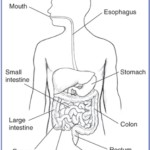 Inflammatory Bowel Disease (IBD) is a broad term that describes conditions with chronic or recurring immune response and inflammation of the gastrointestinal tract. The two most common inflammatory bowel diseases are ulcerative colitis and Crohn’s disease. In Crohn’s disease, inflammation can affect the entire digestive tract but is usually centered in the ileum (the final segment of the small intestine) and the beginning part of the colon (large intestine). Ulcerative colitis presents exclusively in the colon. Both illnesses are characterized by an abnormal response to the body’s immune system. They can occur at any age, but often initially develop in teenagers and young adults.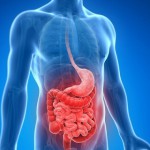

 Dr. William M. Chamberlin is a retired gastroenterologist who is currently conducting research into MAP. He received his medical degree from Tufts University and completed his residency in internal medicine at William Beaumont Army Medical Center. From there, he completed a fellowship in gastroenterology at Walter Reed Army Medical Center. His early work experience took him to positions in Thailand, Southern Australia, Papua New Guinea, Germany and Japan. He served 20 years in the U.S. Army Medical Corps with his last assignment being at Walter Reed Army Institute of Research where he studied the immune systems responses to microbial infections before settling into private practice. His primary research areas are Crohn’s disease, hormonal immune regulation, and emergence and evolution in biological systems and disease.